Peripheral Nervous System (PNS) What It Is & Function
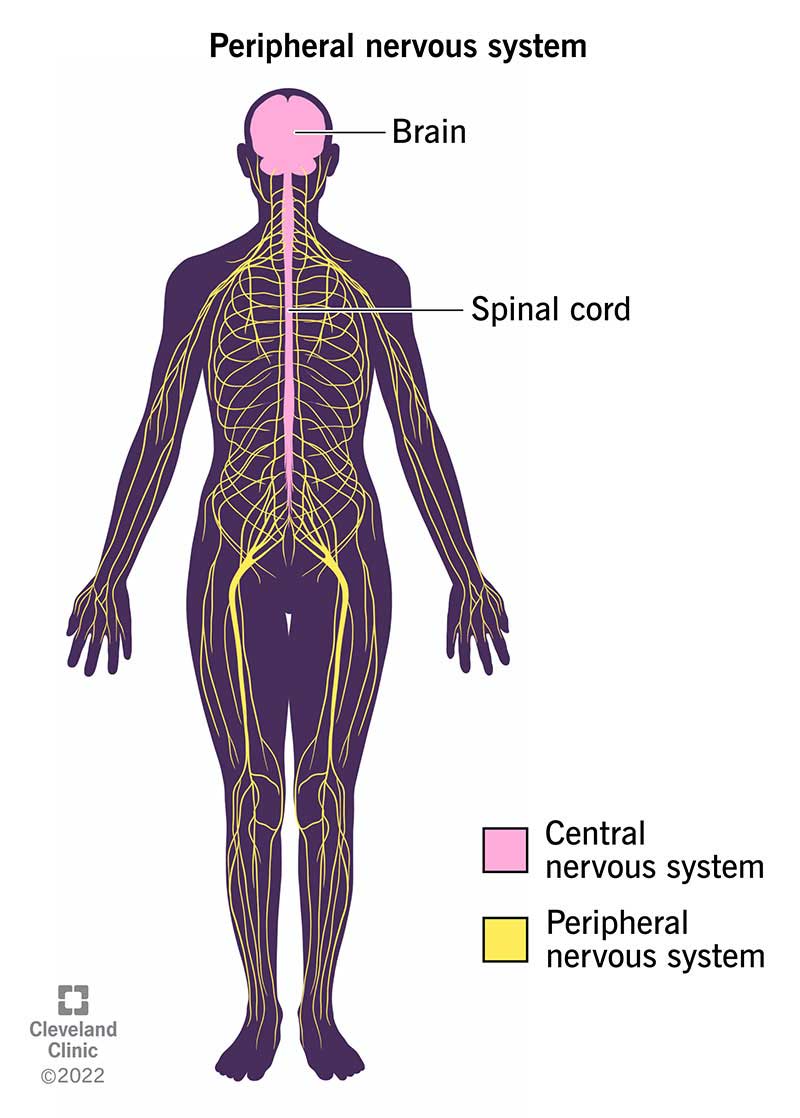
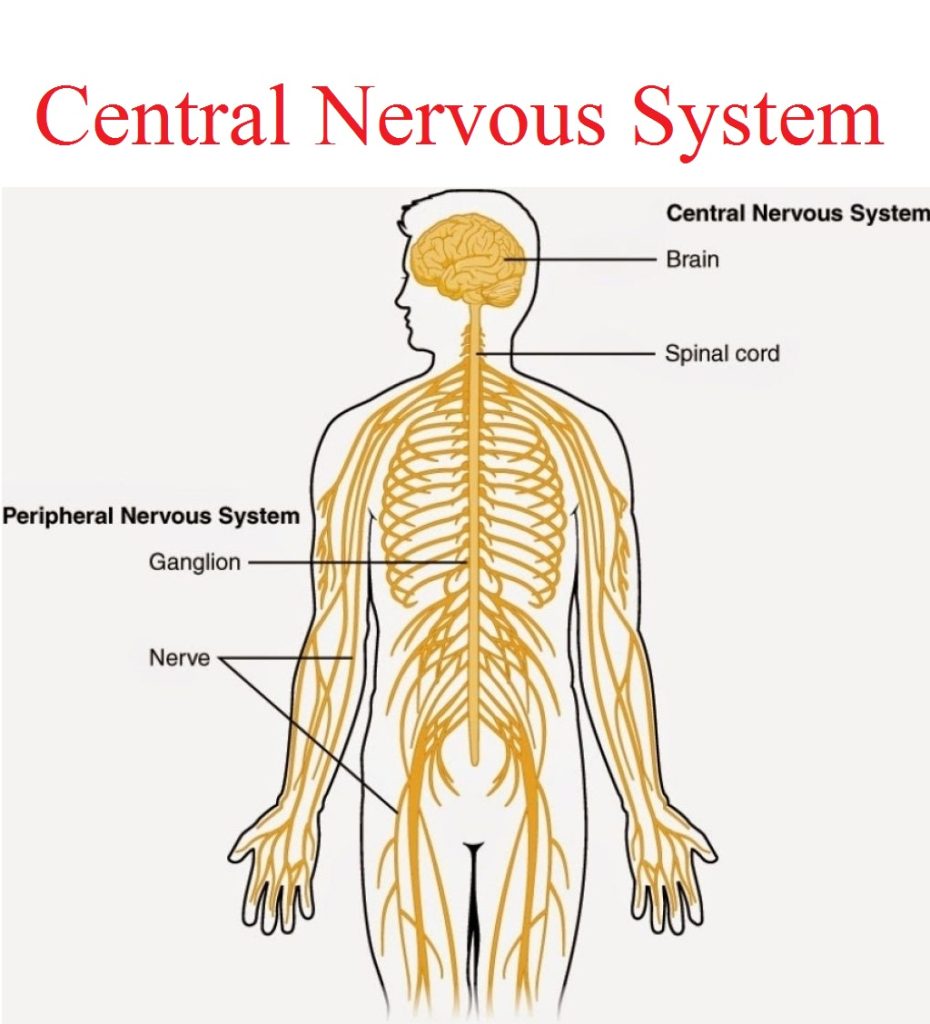
The central nervous system is the brain and spinal cord, while the peripheral nervous system consists of everything else. The central nervous system's responsibilities include receiving, processing, and responding to sensory information.. The brain is an organ of nervous tissue that is responsible for responses, sensation, movement, emotions.
Science 8th Grade Central Nervous System & Peripheral Nervous System

The brain and the spinal cord are the central nervous system, and they represent the main organs of the nervous system. The spinal cord is a single structure, whereas the adult brain is described in terms of four major regions: the cerebrum, the diencephalon, the brain stem, and the cerebellum. A person's conscious experiences are based on.
Pictures Of Central Nervous System
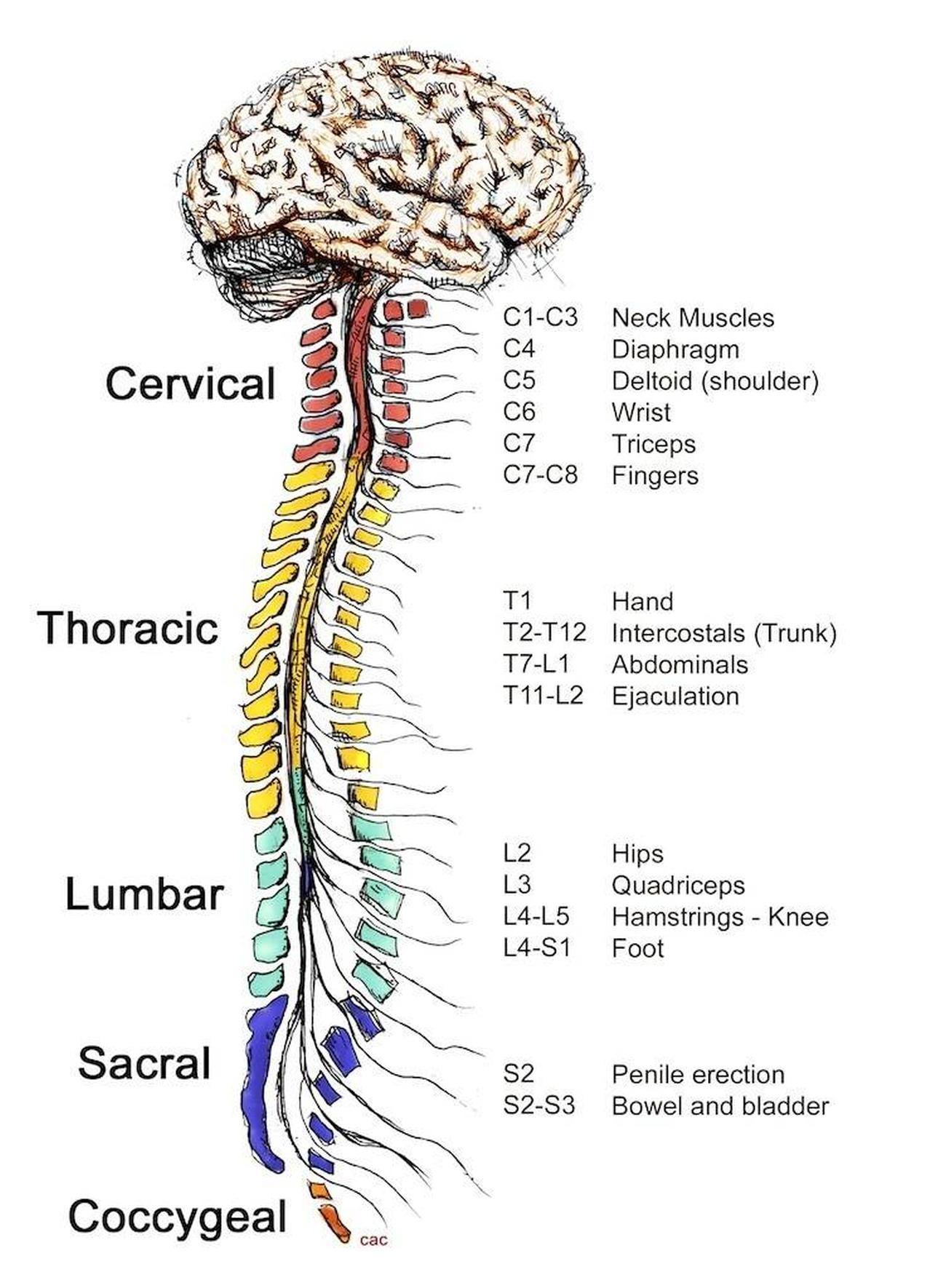
The central nervous system (CNS) is the part of the nervous system consisting of the brain and spinal cord, the retina and optic nerve, and the olfactory nerve and epithelia. The CNS is so named because the brain integrates the received information and coordinates and influences the activity of all parts of the bodies of bilaterally symmetric and triploblastic animals—that is, all.
Central nervous system cns How the spinal cord works
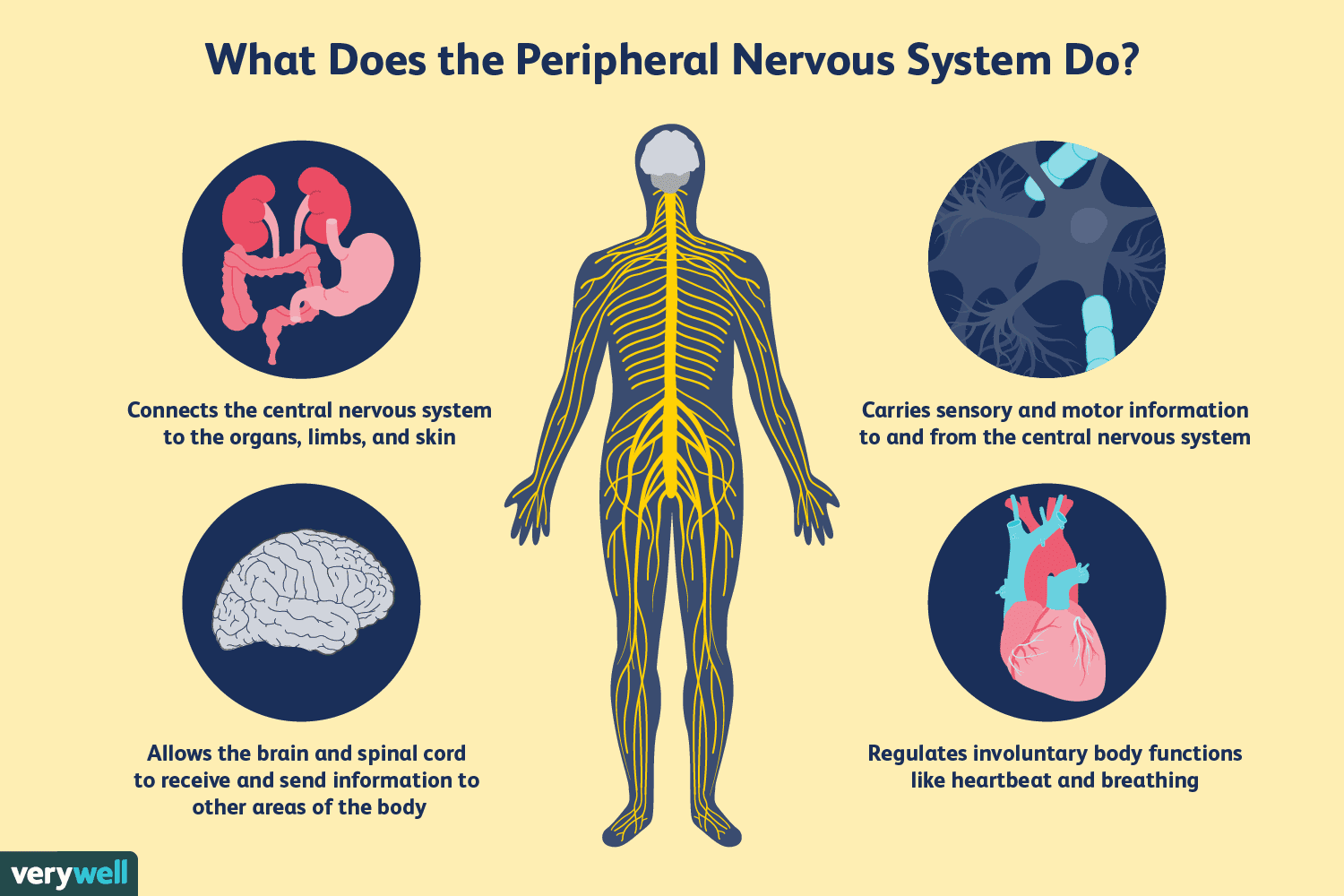
The brain and the spinal cord are the central nervous system, and they represent the main organs of the nervous system. The spinal cord is a single structure, whereas the adult brain is described in terms of four major regions: the cerebrum, the diencephalon, the brain stem, and the cerebellum.
Human Nervous System Diagram How It Works Live Science
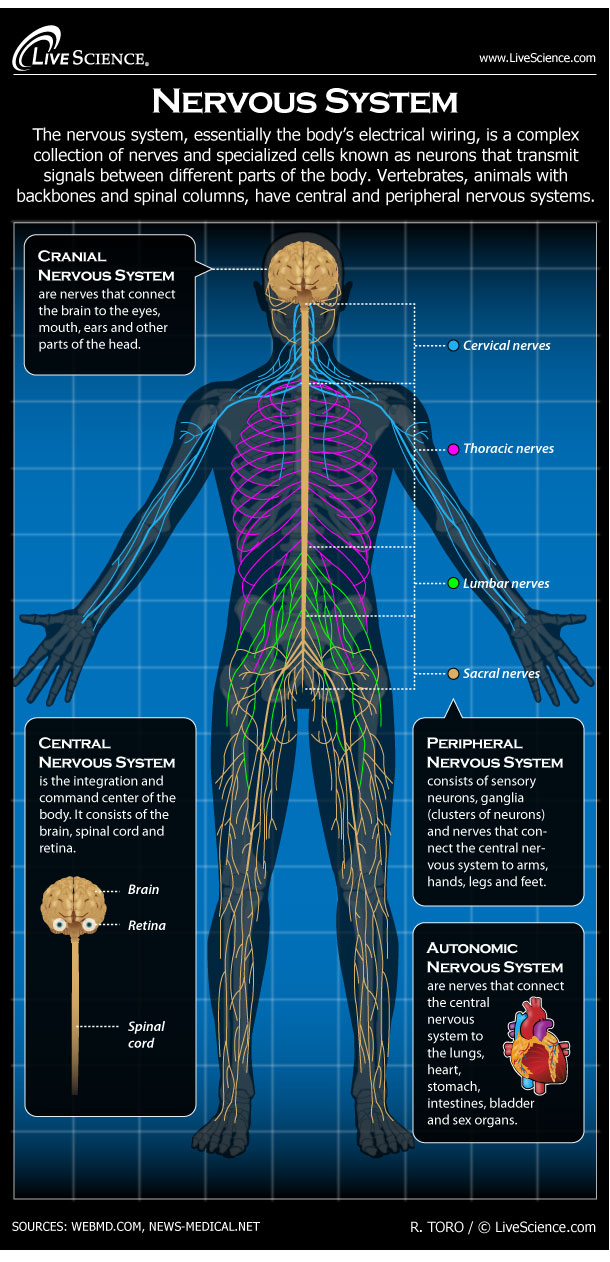
The three main functions of your central nervous system are to: Receive sensory information. Process the information it receives (integration). Respond with motor output. After your brain gets and understands the data collected by your sensory neurons (nerve cells), it sends an electrical signal through your spinal cord to your muscles and.
Central Nervous System Diagram FileNervous system diagram unlabeled
Nerves and Sensory Organs Make Up the Peripheral Nervous System. Together, the central nervous system (CNS) and the peripheral nervous systems (PNS) transmit and process sensory information and coordinate bodily functions. The brain and spinal cord (the CNS) function as the control center. They receive data and feedback from the sensory organs.
CLIL Central and Nervous System
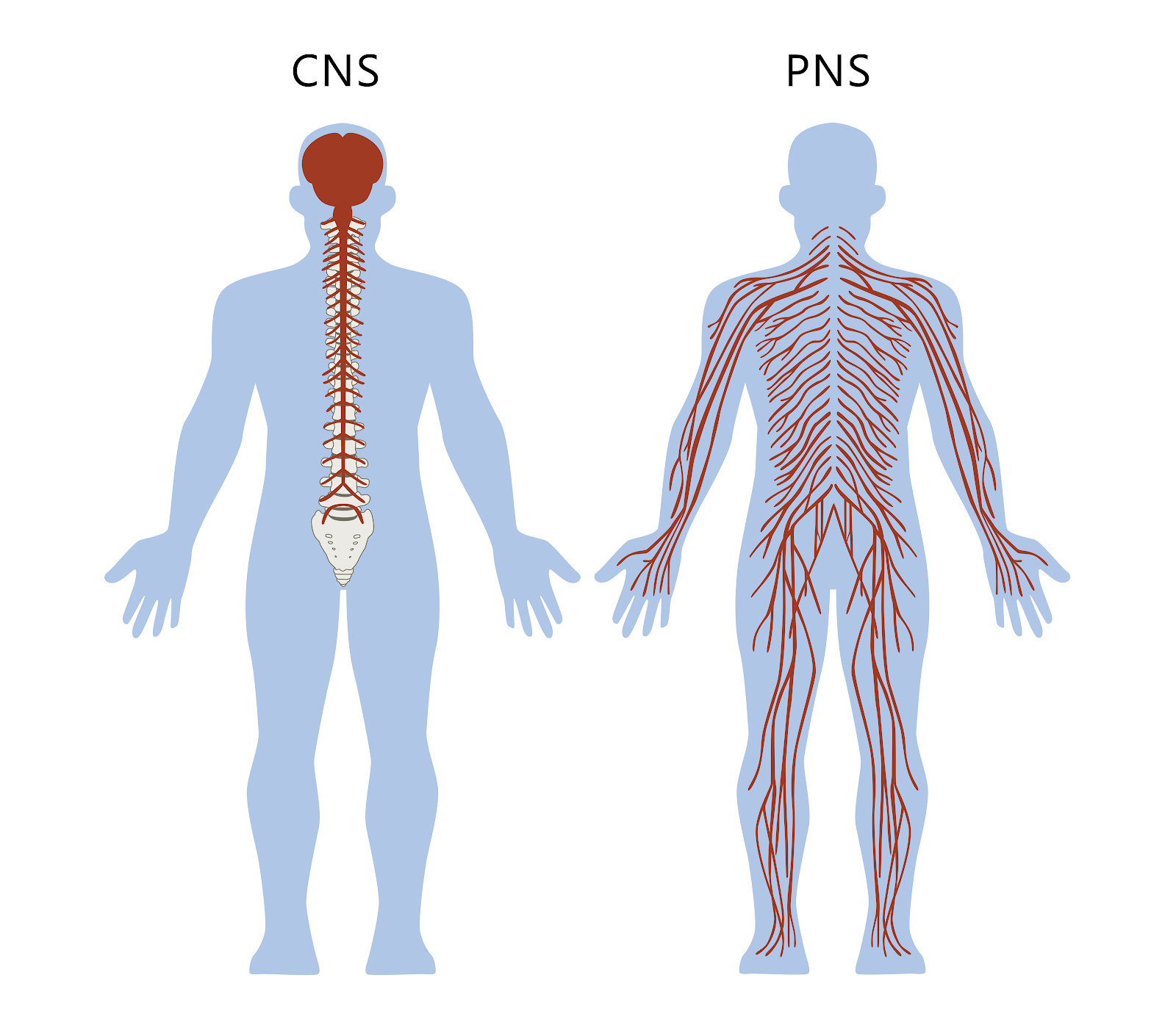
Definition. The central nervous system (CNS) consists of the brain and spinal cord. This body system is responsible for integrating and coordinating the activities of the entire body. Through these physical structures, thought, emotion, and sensation are experienced, and body movements are coordinated. Overview.
Nervous System Overview
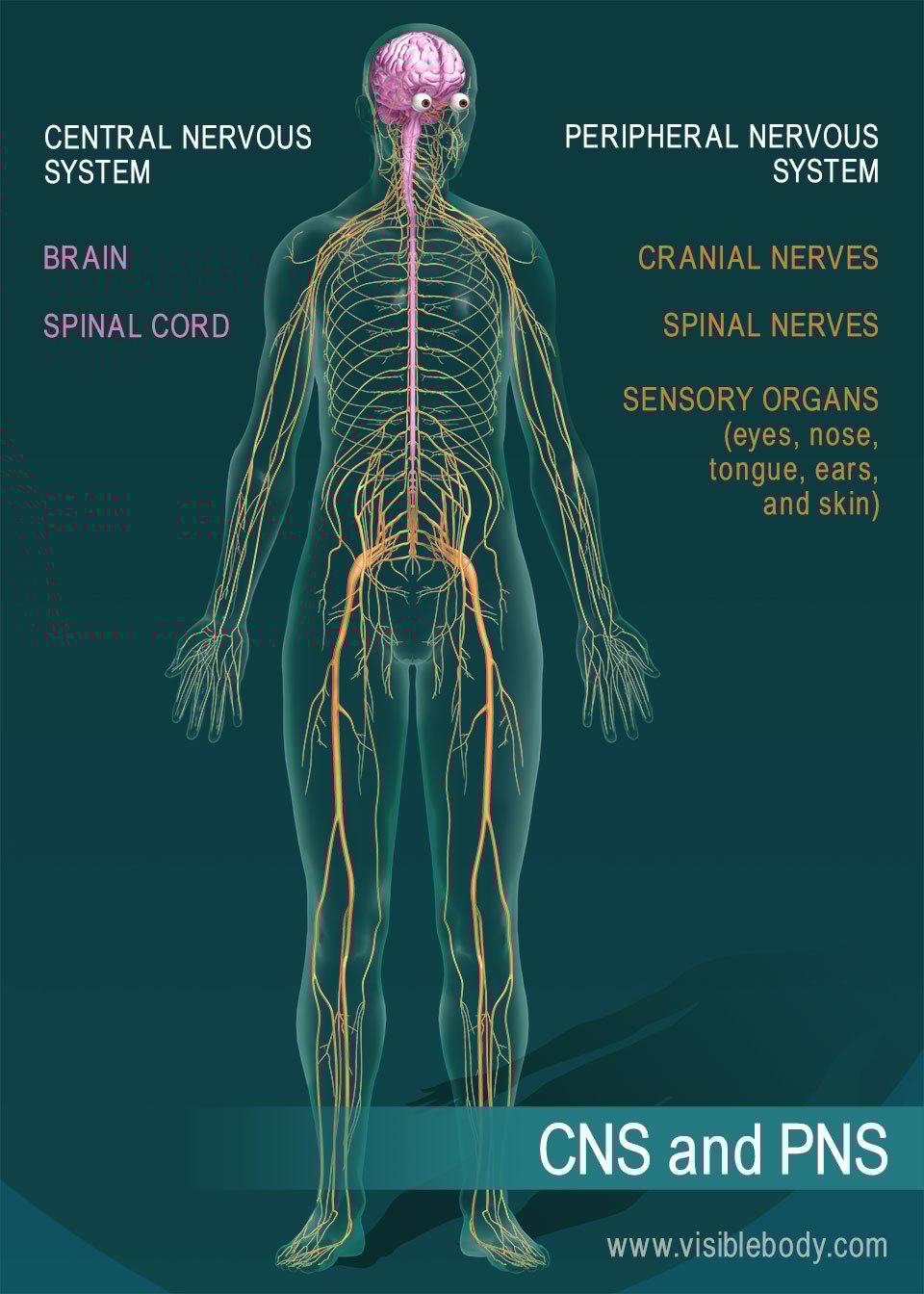
The nervous system has two main parts: Central nervous system (CNS) : Your brain and spinal cord make up your CNS. Your brain reads signals from your nerves to regulate how you think, move and feel. Peripheral nervous system (PNS): Your PNS is made up of a network of nerves. The nerves branch out from your spinal cord.
Central nervous system model or CNS brain organ structure outline

The central nervous system (CNS) consists of the brain and the spinal cord. It acts as the body's control center, processing sensory information and directing responses. The CNS coordinates voluntary activities, like movement, and involuntary ones, such as breathing and heartbeat. Our brains have two primary functions: controlling behavior.
What is Human Nervous System ? Structure and Functions Human
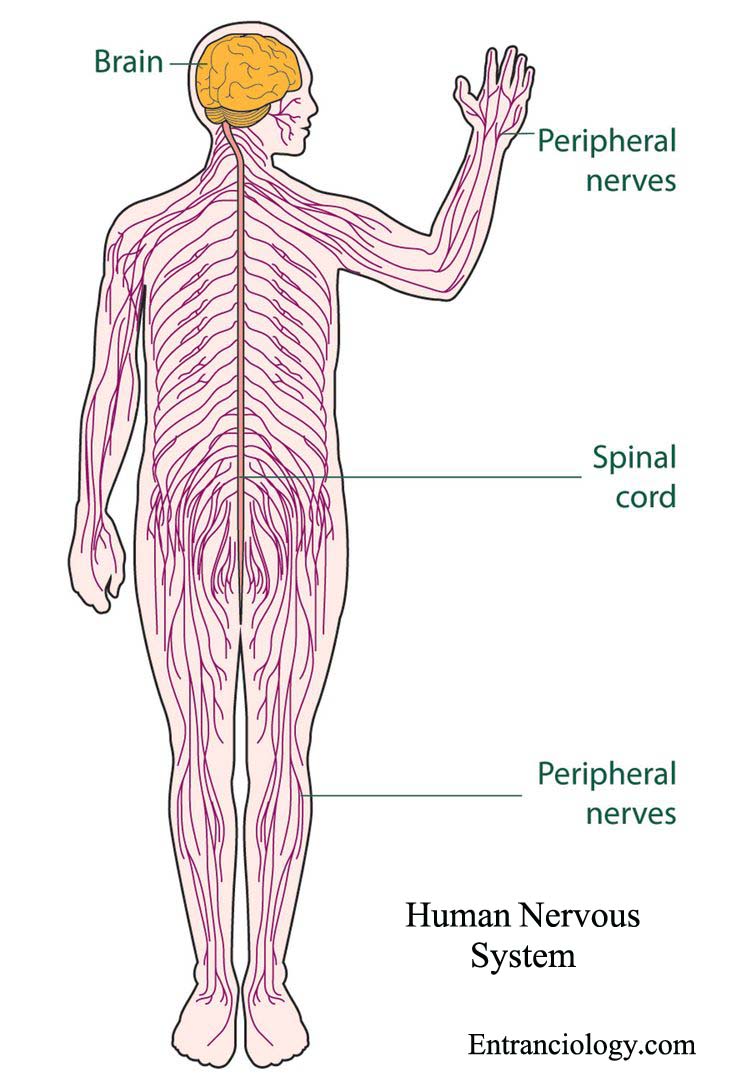
The brain and the spinal cord are the central nervous system, and they represent the main organs of the nervous system. The spinal cord is a single structure, whereas the adult brain is described in terms of four major regions: the cerebrum, the diencephalon, the brain stem, and the cerebellum. A person's conscious experiences are based on.
Nervous Systems Organismal Biology

The central nervous system (CNS) consists of the brain and spinal cord. The CNS is the body and mind's control center. Like a central communication hub, it receives, processes, and responds to all types of sensory input. The CNS also controls voluntary muscle movements and motor functions. "Nervous system " is an umbrella term for the bodily.
Introduction to the Nervous System Boundless Anatomy and Physiology

The nervous system is really complicated, but it can be divided into two really general parts. One is the Central Nervous System (or CNS). The CNS consists of your brain and spinal cord. The brain and spinal cord are inside your skull and vertebrae (the vertebrae make up your backbone). These bones protect the CNS when you get into accidents.
CMT 101 Understanding CMT & the Peripheral Nervous System CMT

The nervous system has two main parts: The central nervous system is made up of the brain and spinal cord. The peripheral nervous system is made up of nerves that branch off from the spinal cord and extend to all parts of the body. The nervous system transmits signals between the brain and the rest of the body, including internal organs. In this way, the nervous system's activity controls.
Nervous System the Human Body SystemsBy Jillian Nelson
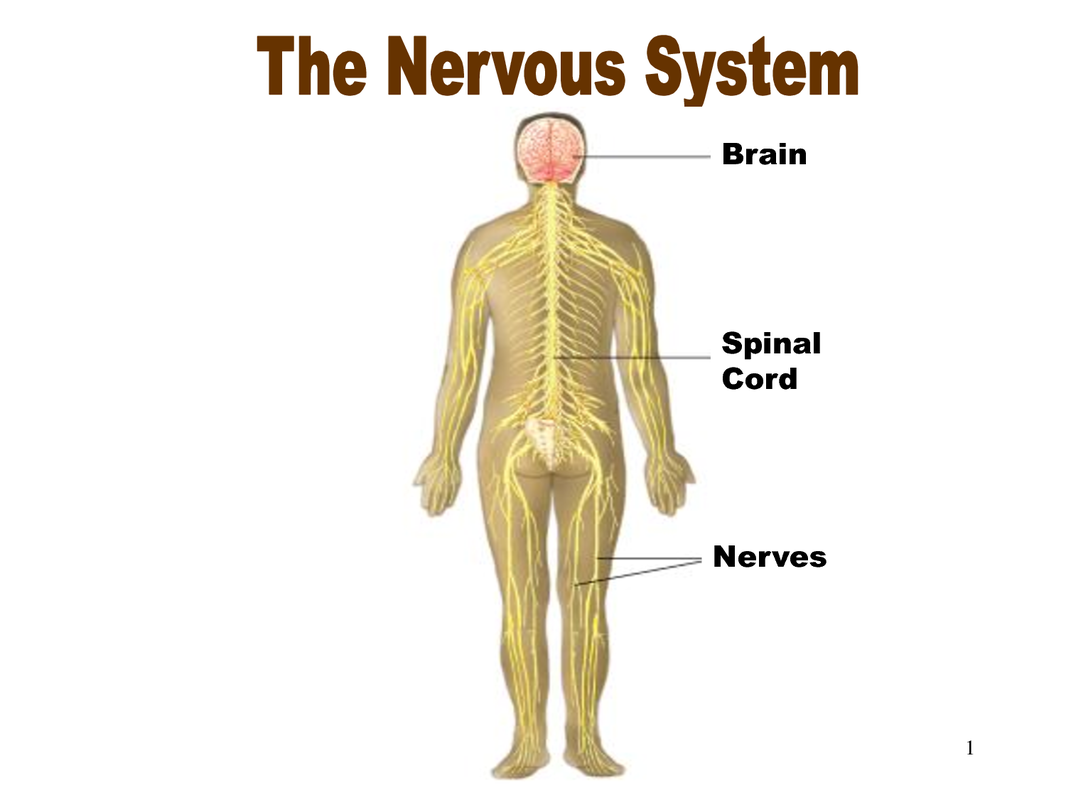
That network -- your nervous system -- has two parts: Your brain and spinal cord make up your central nervous system. The nerves in the rest of your body make up your peripheral nervous system.
Central Nervous System Diagram Psychology Nervous System island

The brain is a complex organ that controls thought, memory, emotion, touch, motor skills, vision, breathing, temperature, hunger and every process that regulates our body. Together, the brain and spinal cord that extends from it make up the central nervous system, or CNS.
ICSE Solutions for Class 10 Biology The Nervous System and Sense

The nervous system consists of the brain, spinal cord, sensory organs, and all of the nerves that connect these organs with the rest of the body. Together, these organs are responsible for the control of the body and communication among its parts. The brain and spinal cord form the control center known as the central nervous system (CNS), where.